
Steel Grinding Balls
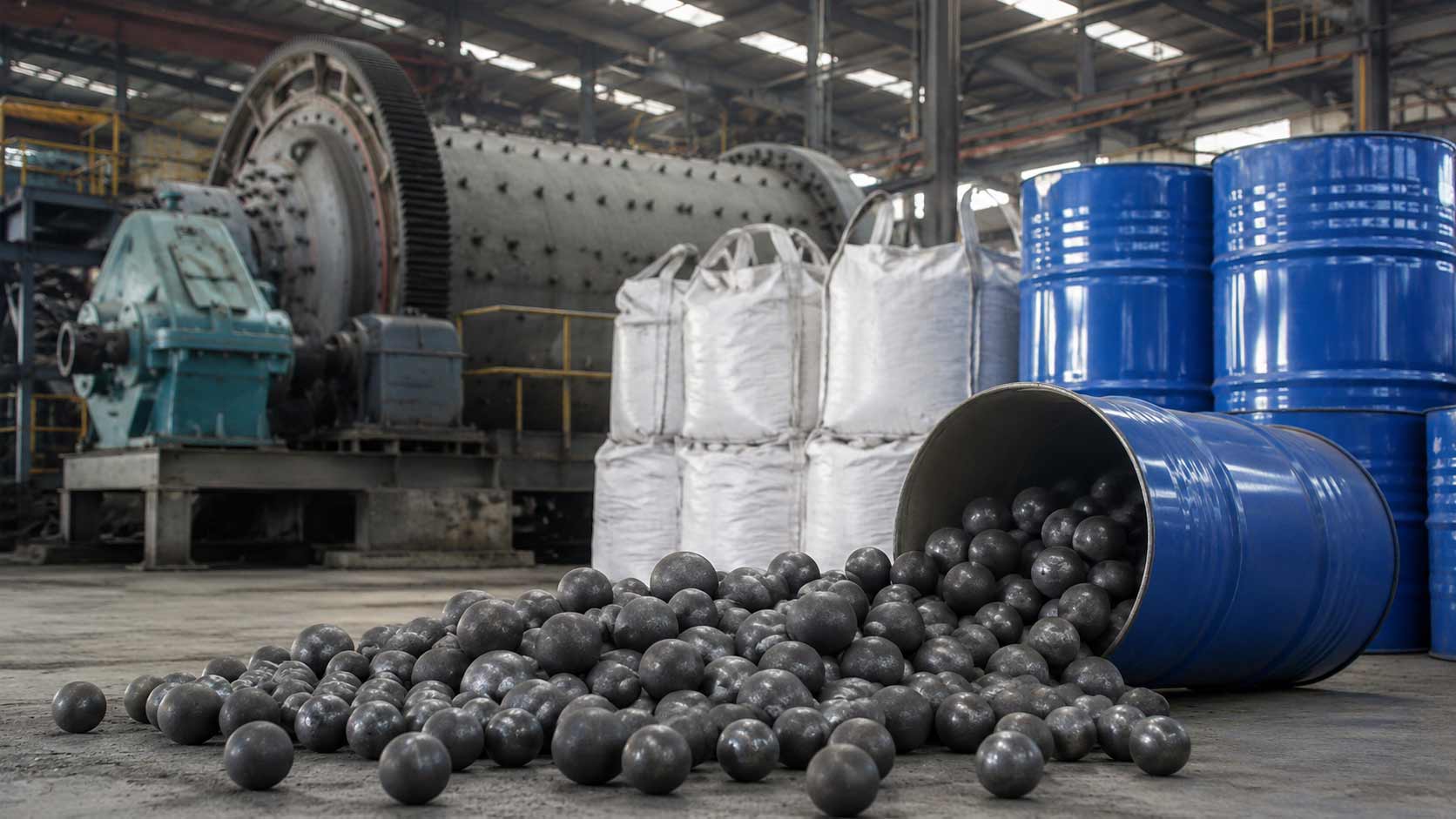
STEEL GRINDING BALL DETAILS:
High-performance forged steel grinding media engineered for ball mills and demanding mineral grinding applications, offering controlled hardness, high wear resistance and low breakage.
- Manufacture Method: Forged, Rolled + heat treated
- Hardness: HRC55-65
- Size: 20 mm-150 mm
- Steel Material: high carbon alloy steel (Low, Medium, high and ultra high Chromium)
- Application: Ball Mill / Mining / Cement
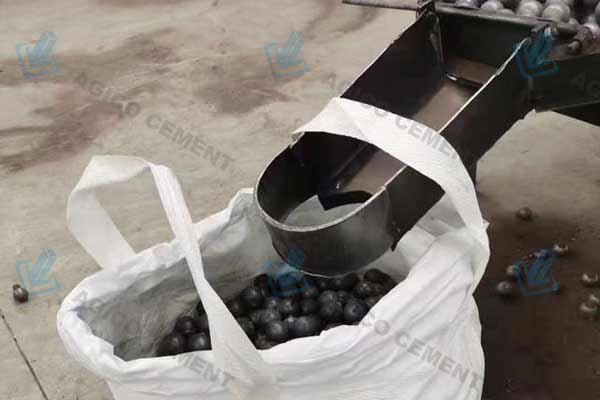
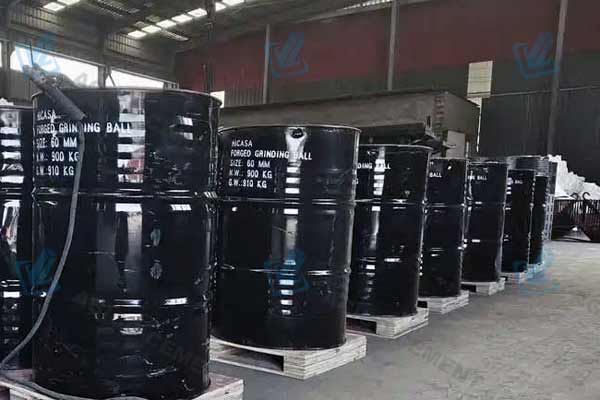
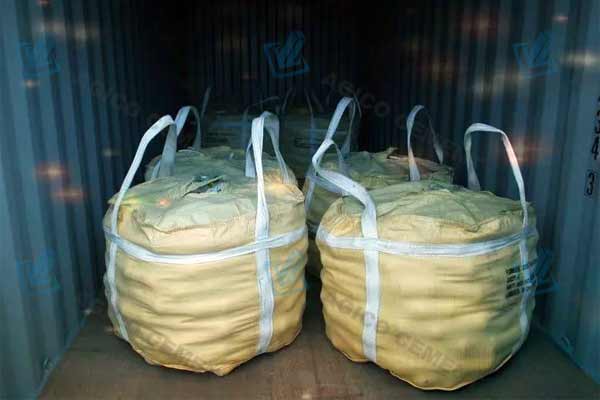
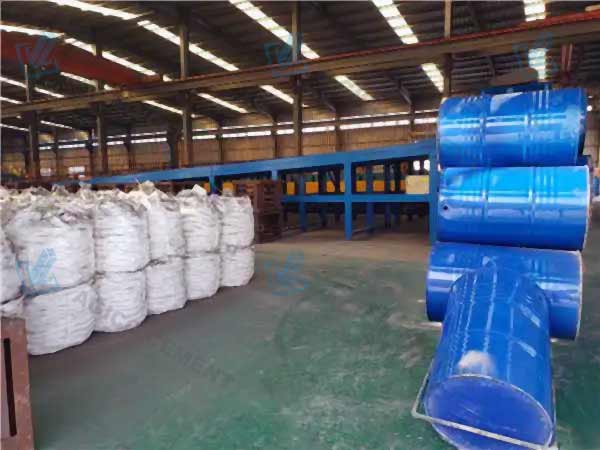
- Packaging: steel drums, nylon bags and containers
Steel Grinding Balls for Ball Mill Grinding
What are steel grinding balls?
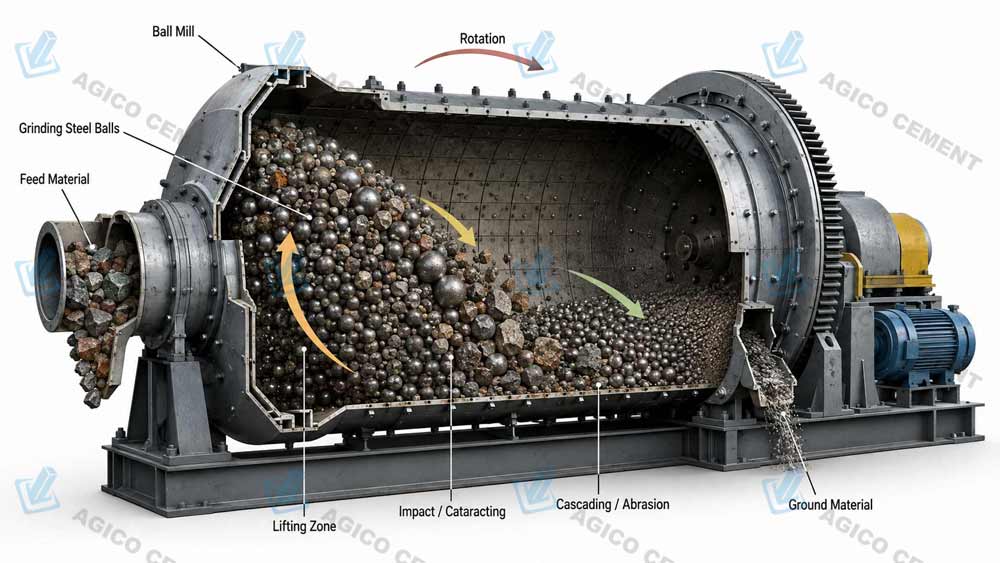
Steel grinding balls are consumable grinding media in ball mills to grind other materials. Based on the manufacturing process, they can be categorized into 3 types: forged steel balls, cast steel balls, and hot-rolled steel balls. They functions by generating an abrasive action through collision and friction with the material, thereby breaking it down.
- Steel Material: high carbon alloy steel (Low, Medium, high and ultra high Chromium)
- Packaging: steel drums, nylon bags and containers
Steel Grinding Balls Details
Raw Materials:
The raw materials for steel grinding balls are high-carbon and alloy steel, for forged steel balls, the raw materials can be steel scraps and alloy steel, while steel rods are used for cast steel ball production.
Production Method:
Cast steel balls are produced through melting, pouring, and cooling processes, resulting in uneven surface characteristics and inconsistent quality; forged steel balls are produced with heating and compression, generating a more uniform internal microstructure as well as superior strength and hardness, making them better suited for ball milling applications. Both steel ball types requires heat-treatment processing to improve their hardness, wear and impact resistance.
Our Steel Grinding Ball Range
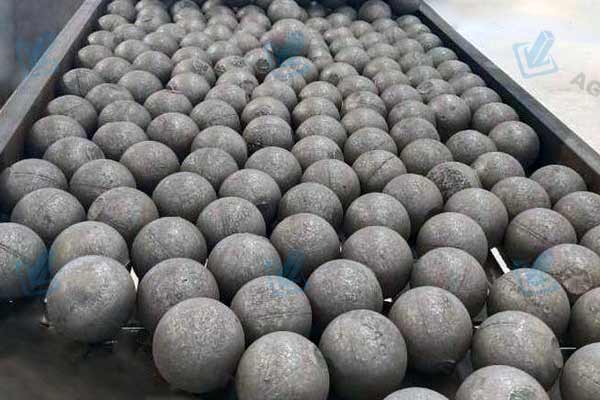
Forged Steel Grinding Balls
- high-impact applications
- mining
- primary/secondary grinding
- ball mills
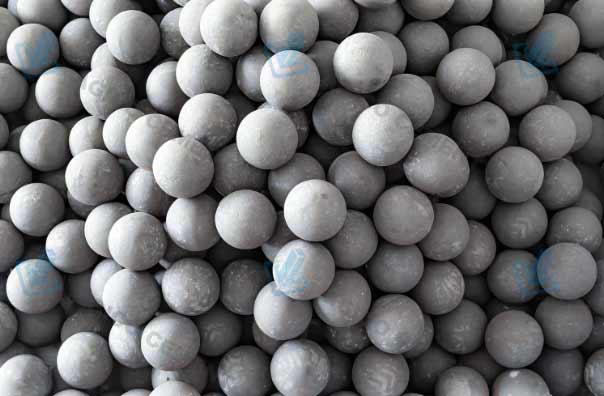
High Chrome Grinding Balls
- high abrasion
- fine grinding
- cement
- certain mining applications
Forged Steel Griding Balls Specifications
| Parameter | Specification |
|---|---|
| Diameter (mm) | Φ25 – Φ150 (Hot-rolling typically ≤ Φ100; forging up to Φ150) |
| Material | High-carbon alloy steel (e.g., 65Mn, B2, B3, 75MnCr) |
| Steel Grade | B2 / B3 / 75MnCr |
| Surface Hardness (HRC) | 58 – 62 (for ≤Φ100); 55 – 58 (for >Φ100) |
| Core Hardness (HRC) | 52 – 58 (hardness drop approx. 4–6 HRC) |
| Impact Value (J/cm²) | ≥ 10 – 15 (forged fibre structure, excellent toughness) |
| Breakage Rate (%) | ≤ 0.5 (stable in large SAG mills) |
| Wear Rate (g/t, reference) | 80 – 150 (for hard ores like iron ore) |
| Roundness (tolerance %) | ≤ 1.5 (excellent roundness from rolling/forging) |
| Production Process | Forged or Hot Rolled |
| Heat Treatment | Quenching (oil/water-spray) + Tempering |
| Packaging | Steel Drum (~900-1000 kg/drum) or Big Bag (~1000-1500 kg/bag) |
| Custom Sizes | Available (custom rolling tools or forging dies can be produced) |
Available Steel Grinding Ball Sizes
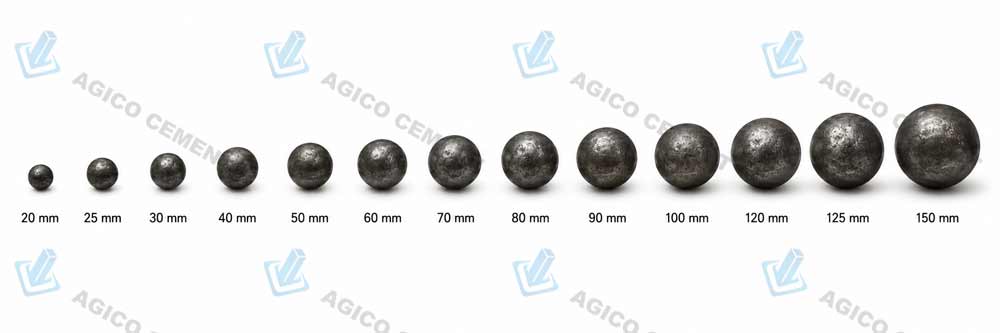
| Available Diameter | 20 mm, 25 mm, 30 mm, 40 mm, 50 mm, 60 mm, 70 mm, 80 mm, 90 mm, 100 mm, 120 mm, 125 mm, 150 mm |
|---|---|
| Diameter Tolerance | φ10-025:+1.0; φ30-060:+1.5,-1.0; φ70-090:+2.0,-1.0; φ100以上:+3.0,-1.0 |
Steel Grinding Balls Applications
Grinding steel balls are widely used in mining, mineral processing, cement and clinker grinding, and other industrial applications.
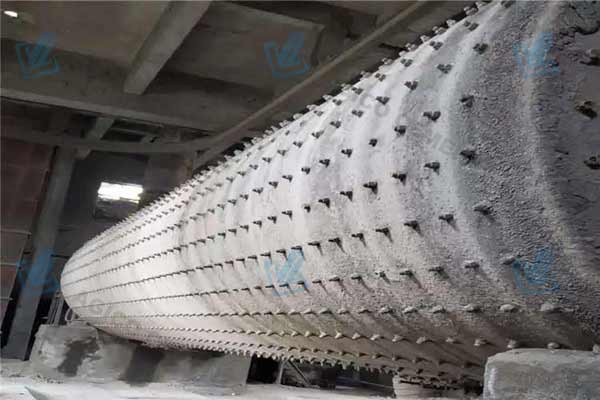
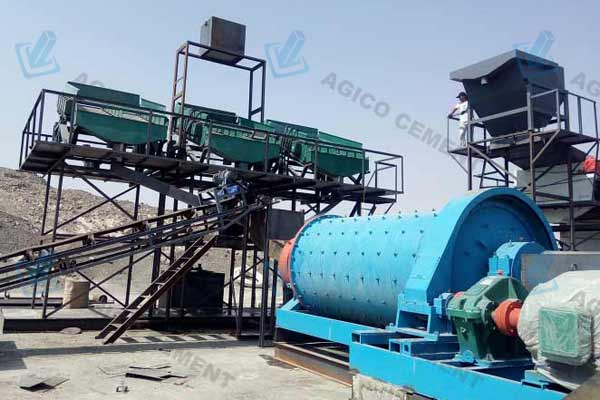
The related milling equipment are ball mills, SAG mills, AG mills, and other grinding mills.
How to Select Grinding Balls
Most buyers of steel grinding balls know how to select suitable grinding ball types, sizes and materials. Here is a basic guide for those who don't know how to choose:
Typically, steel balls of various diameters are used to achieve a rational ball size distribution.
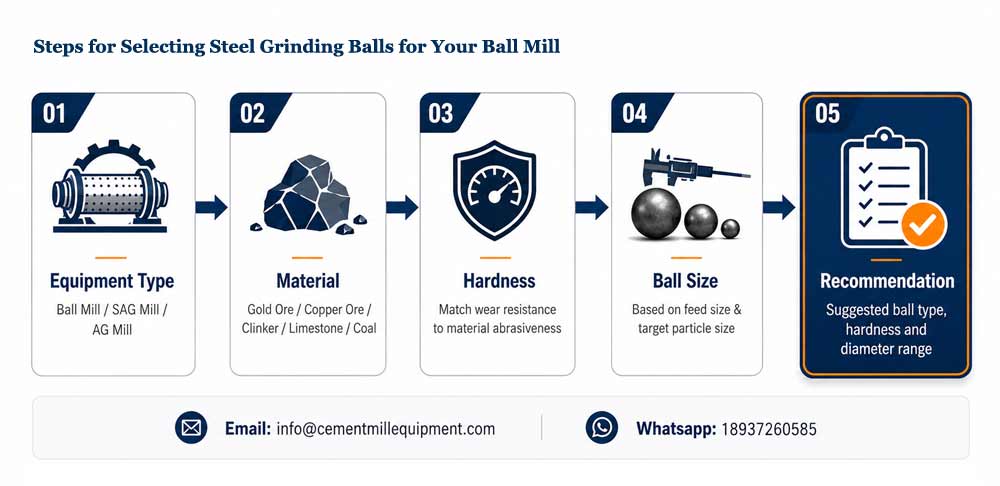
- Confirm your milling equipment types, whether it is ball mill, SAG mill, AG mill, etc.
- Confirm the processing materials: different materials requires different hardness and milling grades; common materials are gold ore, copper ore, iron ore, cement clinker, limestone, coal,etc.
- Higher hardness and more abrasive materials requires grinding balls with higher wear resistance
- Select the steel ball size based on the feed particle size and the target particle size.
If you are still not sure how to select grinding balls, send us the specific type of material and the feed particle size, AGICO can provide a professional advice of the recommended ball diameter and hardness range.
Steel Grinding Ball Quality Control
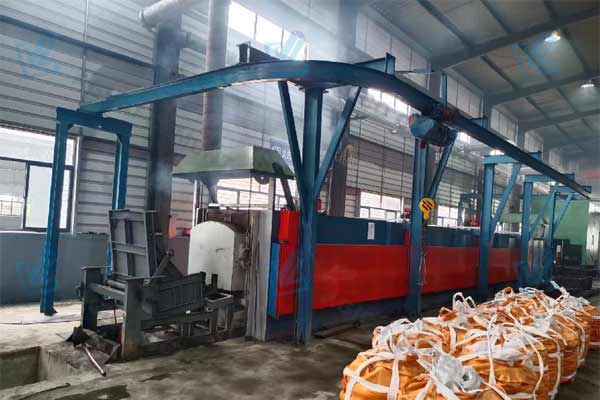
Our factory possesses mature heat treatment technology and extensive experience; heat treatment is the critical stage that determines the final properties of the steel balls—specifically hardness, toughness, and wear resistance. During production, we strictly control the following heat treatment parameters:
- Heating temperature and holding time
- Cooling rate
- Tempering process
Strict control over the entire process—encompassing heating temperature, holding time, cooling rate, and tempering parameters—along with ensuring furnace temperature uniformity and the condition of the quenching medium, is key to achieving the required hardness for the steel balls.
Steel Grinding Balls Price
Steel grinding balls are consumables, its price is very sensitive to customers. AGICO has long term partnerships with large steel mills in China, we provide very competitive prices for steel grinding balls without any product quality issues. and other spare parts.
The actual price is decided by the following factors, steel ball diameter, steel grade, hardness requirements, order quantity, package methods and delivery cost.
If you need to order for steel grinding ball product, send us the details for free quote now!
Why Choose AGICO
- ISO9001 Quality Management System Certified
- Products undergo hardness, impact, and abrasion testing to ensure consistent quality
- Supports custom specifications, sample testing, and volume supply
- Excellent cost-performance ratio; suitable for mines, cement plants, power plants, and mineral processing facilities
Steel Grinding Balls FAQ
What are steel grinding balls used for?
Steel grinding balls are mostly used in ball mills to grind materials such as ore, cement, coal, and slag.
What size steel balls are used in ball mills?
Steel ball size ranges from 20–150 mm; common sizes include 40 mm, 60 mm, 80 mm, 100 mm, and 120 mm.
What is the hardness of forged steel grinding balls?
Forged steel ball surface hardness is generally 55–65 HRC, with a slightly lower core hardness.
Forged vs cast grinding balls: what is the difference?
Both of them are used in ball mills for different milling tasks. Forged balls feature a dense microstructure, high toughness, and resistance to breakage; cast balls can achieve higher hardness but are more brittle and prone to internal defects.
How to choose grinding ball size?
Generally large size steel balls for coarse grinding, small size steel balls for fine grinding; ball sizing is determined based on feed particle size, ore hardness, and target fineness.
What steel grades are used for grinding balls production?
Common steel grades for forged steel balls typically use alloy steels such as B2, B3, and 65Mn; cast steel balls typically use high-chromium alloy cast iron or steel.
What factors can affect steel grinding ball wear rate?
Following factors can affect ball wear rate: Ore hardness and abrasiveness, steel ball hardness and microstructure, mill speed/diameter, slurry concentration, pH, filling rate, etc.
How long do steel grinding balls last?
Its variable and depends on the steel ball quality and grinding task, actrual lifespan ranges from several weeks to several months.
Are forged steel balls suitable for mining?
Forged steel balls are suitable and widely used in mining ball mills and semi-autogenous (SAG) mills.
How much do steel grinding balls cost?
The actural price fluctuates overtime, approximately 700–1,500 USD/tonne, depending on material, specifications, and market fluctuations.
How can I get a grinding media quotation?
Contact AGICO NOW and provide details such as ball diameter, material/hardness, quantity, operating conditions, and delivery requirements to request a quote.
Tell Us Your Mill and Grinding Duty
Provide ball diameter, material or hardness, quantity, operating conditions and delivery requirements.