
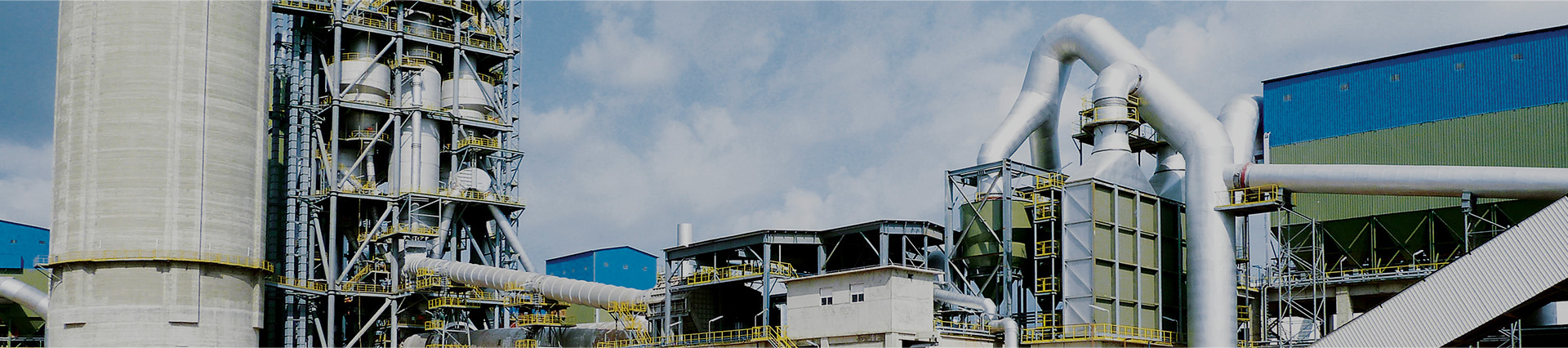
Rotary Kiln Application for Agglomerated Welding Flux Production
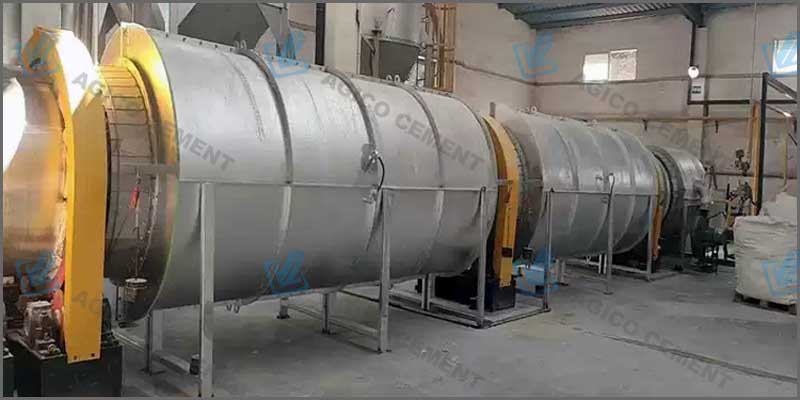
Specialized Rotary Kiln Design for Agglomerated Flux Production
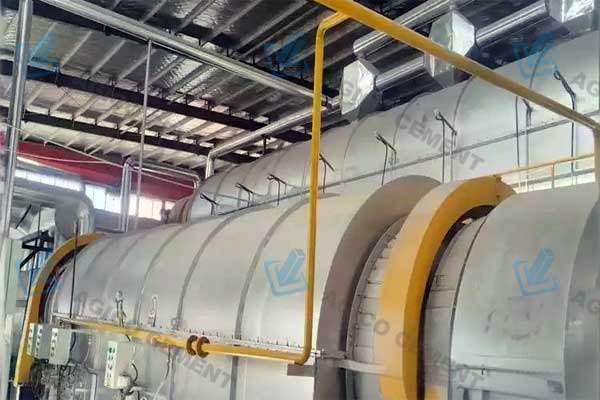
AGICO has the following specialized designs for rotary kilns used for agglomerated flux production:
- Pellet Integrity Protection: our rotary kiln has the designs of optimized kiln inclination, low-impact feeding system, controlled rotational speed and smooth internal transitions.
- Precise Residence Time Control: the rotary kiln is designed with proper kiln speed and slope, material bed depth to make sure each flux pellet is heated evenly.
- Multi-Zone Sintering Temperature Control: rotary kiln heating zone is separated into 4: drying, preheating, sintering and cooling transition zone. Each zone is designed with thermocouples, burner control, PLC temperature regulation and real-time monitoring. This design is the key to the consistent mechanical strength of the final product and to increasing the yield rate.
- Low-Contamination Processing Environment: to maintain the welding flux purity, the rotary kiln body is made of alloy and stainless steel and wear-resistant liners
Besides rotary kilns used for agglomerated flux production, AGICO also supplies other rotary kilns customized for cement plant, metallurgical chemical kiln, lime kiln, ceramsite kiln, zinc oxide kiln, etc. If you are interested, please contact us now!
What Is Agglomerated Welding Flux
Agglomerated welding flux is a high-quality, efficient, energy-saving, and eco-friendly submerged arc welding flux. It is produced through processes of mixing, granulation, and high-temperature sintering. The major steps of producing agglomerated flux include shaping the prepared wet flux mixture into the desired granules and calcining them at high temperatures (750–1000°C) to form fine, solid flux particles. Its composition primarily includes mineral raw materials, metal oxides, alloy powders, binders, and additives.
Agglomerated flux is a common submerged arc welding flux type for the advantages of no smoke, odor, or spatter, and a stable arc, and the manufacturing process is eco-friendly due to high utilization of raw materials, a sealing design, and low energy consumption.
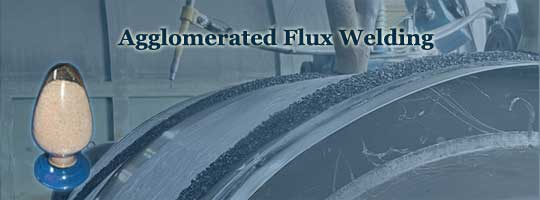
Types of Agglomerated Welding Flux Produced
By now, agglomerated flux has evolved into a series of models; its formulation is adjusted based on the base metal and the specific welding process to achieve optimal deposition efficiency and mechanical properties.
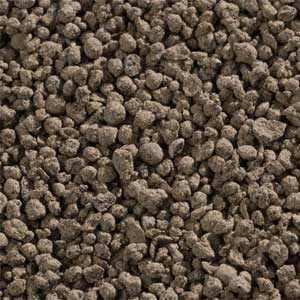 SJ102D Agglomerated Flux
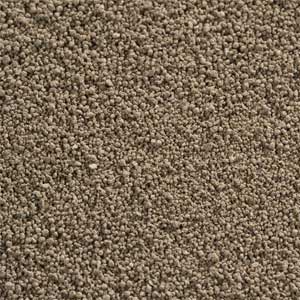 SJ303 Agglomerated Flux
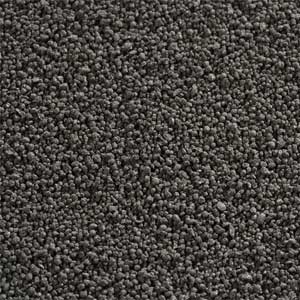 SJ501 Agglomerated Flux
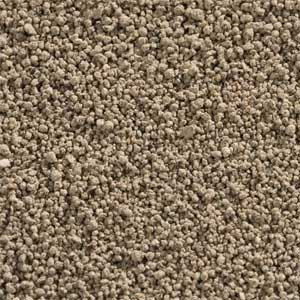 SJ501Y Agglomerated Flux
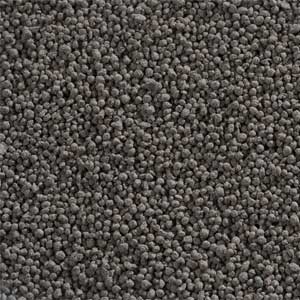 SJ601 Agglomerated Flux
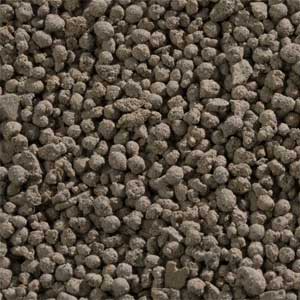 SJ641 Agglomerated Flux
Main models include: SJ101, SJ201, SJ301, SJ401, SJ501, SJ601, SJ602, SJ604, SJ609, SJ609S, SJ641, SJ891, etc.
Comparison: Agglomerated Flux vs. Bonded Flux
Agglomerated flux and bonded flux (processed at 350–500°C) are the 2 major types of non-fused fluxes. Although they are produced with similar raw materials, the higher processing temperatures used for agglomerated flux make its granule compressive strengths 3 to 5 times greater than bonded flux, while the moisture absorption rate is below 0.5%. These advantages make agglomerated flux indispensable for high-demanding applications such as shipbuilding.
Internal Heated Rotary Kiln Specifications
| Model | 630×12000 | 820×12000 | 1200×15000 | 1500×(16000–24000) | 1800×(16000–24000) |
|---|---|---|---|---|---|
| Power (kW) | 5.5 | 5.5 | 7.5 | 11 | 22 |
| Rotational Speed (r/min) | 0–2 | 0–2 | 0–2 | 0–2 | 0–2 |
| Material | 253MA / 310S / 321 | 253MA / 310S / 321 | 253MA / 310S / 321 | 253MA / 310S / 321 | 253MA / 310S / 321 |
| Heat Source | Electric / Gas | Electric / Gas | Electric / Gas | Electric / Gas | Electric / Gas |
| Heating Power (kW) | 200 | 400 | 800 | 1200 | 1600 |
| Capacity (t/h) | 0.2–0.5 | 0.5–1.0 | 1.0–1.5 | 1.0–2.5 | 2.0–3.0 |
| Operating Temperature (°C) | 800–900 | 800–900 | 800–900 | 800–900 | 800–900 |
Agglomerated Flux Production Process
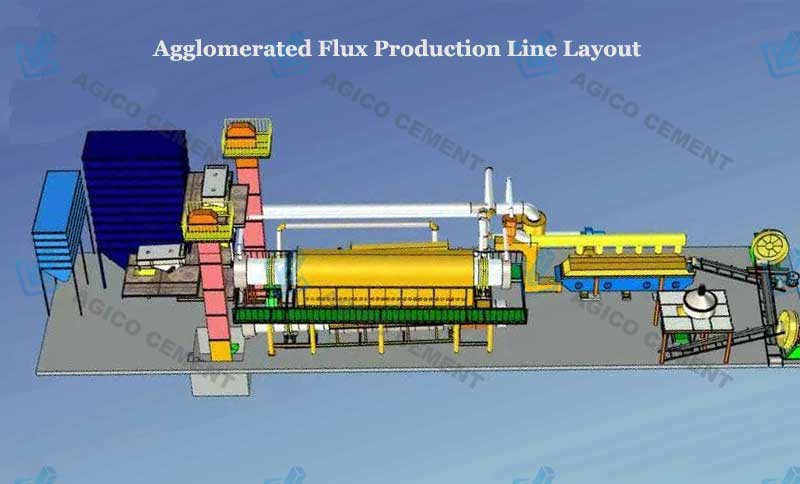
The production process of submerged-arc agglomerated flux includes the following steps: raw material pretreatment, granulation process (mixing and grinding, pressing and forming), high-temperature sintering, and post-treatment. These steps jointly affect the quality and performance of the flux product. By strictly controlling the production process parameters, especially in the rotary kiln sintering stage, customer can produce high-quality agglormerated flux with stable performance, here are the details.
- In the raw material pretreatment stage, mineral ingredients such as sillimanite and fluorite are mixed in specific proportions and ground to a fineness of 200 mesh. During this process, the fluorite (CaF2) content is typically maintained between 15% and 25%; excessive levels lead to arc instability, while insufficient levels compromise desulfurization performance.
- The granulation process employs water glass (Na2O·nSiO2) as a binder, added at a rate of 8–12% of the total raw material weight. Strict control of viscosity—within the 1,500–2,000 cP range—is required during wet mixing to ensure the resulting granules fall within the optimal diameter range of 0.5–1.2 mm.
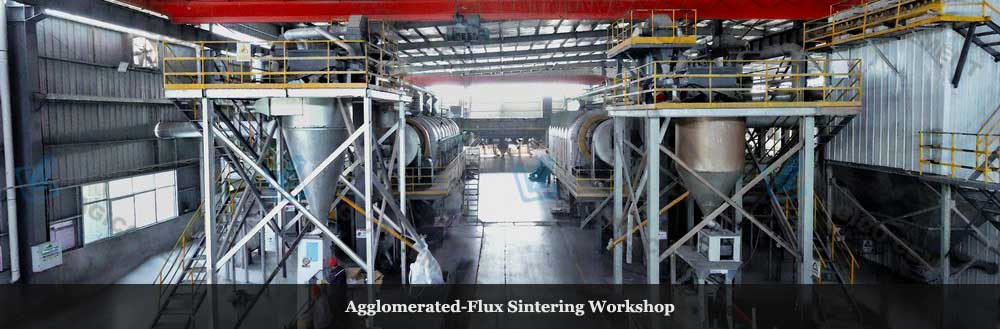
- High-temperature sintering is the critical step determining product performance. Inside the rotary kiln, the material undergoes 3 stages of transformation: removal of bound water below 400°C; completion of mineral crystal phase transitions between 400°C and 700°C; and formation of a stable aluminosilicate network structure between 700°C and 1,000°C. Precise control of the temperature is essential; a heating rate that is too rapid causes glazing on the granule surfaces, which impacts slag reactivity during welding.
Why Rotary Kiln Sintering Is Essential for Agglomerated Flux Production?
Agglomerated flux is a granular welding material produced by calcining mineral powders at high temperatures in a rotary kiln; compared to traditional fused fluxes—which require melting temperatures exceeding 1,300°C—the manufacturing process for sintered flux consumes approximately 40% less energy while maintaining superior metallurgical reactivity.
Main Equipment in Agglomerated Flux Production Line
| Process | Equipment |
| Raw Material Batching | Weighing System |
| Mixing | Ribbon Mixer |
| Pelletizing | Disc Pelletizer |
| Drying | Rotary Dryer |
| Sintering | Rotary Kiln |
| Cooling | Rotary Cooler |
| Crushing | Crusher |
| Screening | Vibrating Screen |
| Dust Collection | Bag Filter |
| Packaging | Automatic Packing Machine |
FAQ of Agglomerated Flux Production
-
What is the role of rotary kiln in agglomerated flux production line?
It is a sintering equipment that provides continuous, uniform heating, which ensures even binder dehydration and hardening without melting the particles. -
What is the ideal sintering temperature for agglomerated flux?
Sintering temperature in rotary kiln is depended on binder formulation, typically 400–800 °C, most commonly 500–700 °C. -
How does a rotary kiln design improve agglomerated flux quality?
The proper design of a rotary kiln delivers uniform heat exposure, consistent residence time, and gentle mixing, all factors helps improving the agglomerated flux quality, including higher granule strength, low dust content, and rounded particle shape. -
What is the equipment in agglomerated flux production line?
Raw material bins, weighing/batching system, dry mixer, wet mixer or pelletizer (disc/pin), rotary kiln, cooler, screening machine, crusher, dust collection, and packaging equipment. -
What is the quality control in agglomerated flux production?
Monitor chemical composition of raw materials and finished flux, particle size distribution, granule crush strength, moisture content, dust level, and sintering degree (binder cure). If you need more details, contact us for free. -
How to design a high-efficiency agglomerated flux plant?
The successful agglomerated flux production plant of our client indicates the following tips for building an agglomerated flux plant:
Using a continuous material flow, automated batching and process control, waste heat recovery from kiln exhaust, most importantly - a specially designed rotary kiln, if you need a customized rotary kiln for an agglomerated flux plant, contact us now!